A trainer’s role is multifaceted—but at its core, their primary responsibility is to the participant. Effective trainers create learning experiences that are relevant, inclusive, and empowering for each group of adult learners. They encourage active engagement, adapt to individual learning styles, and invite participants to share their own insights, creating a collaborative learning environment.
The Participant-Centered Training (PCT) model operates on foundational principles that shape how learning unfolds:
This model shifts the dynamic from passive instruction to meaningful engagement, placing the learner at the heart of the experience.



Traditional training tends to focus on delivering content—where the trainer presents information clearly and passionately, and learners are expected to absorb, retain, and apply it. However, we’ve learned that this approach often falls short of what adult learners actually need. Simply offering more information places the burden entirely on participants to make sense of it.
Here’s the truth: adults are selective in what they take in—they have to be. If a message doesn’t resonate or feels irrelevant, they can consciously or unconsciously block it. Trainers have a critical opportunity—not just to inform but to motivate, engage, and help participants want to learn.
When learners are invited to actively practice new skills and engage emotionally, real change becomes possible.
No two learners are the same. Each person brings their own background, training, and internal knowledge structure. Any message a trainer delivers must find its own place within each learner’s mental framework. Participants need time and space to connect new ideas to what they already know so that learning becomes embedded and usable.
Over and over, adult learners have affirmed that they value participant-centered training. It feels personal, empowering, and effective.
Decades of brain research now confirm what educators have long suspected: learning is not a one-track process. The brain processes information on multiple levels—emotionally, socially, and cognitively—especially in active learning environments.
Participant-Centered Training aligns with these findings. It draws from diverse educational frameworks—learning styles, emotional intelligence, multiple intelligences, and experiential learning. Each of these emphasizes the learner’s uniqueness and connects learning to real-life context, emotion, and personal meaning.
PCT creates safe, collaborative learning spaces that invite challenge while minimizing threat—conditions proven to enhance memory and motivation. By stimulating multiple areas of the brain, PCT helps learners retain and apply what they’ve learned with greater ease.
In today’s collaborative workplaces, success hinges on trust, teamwork, and real-world application. PCT builds the trust and connection needed to translate learning into action—both on the job and in life.
ParCenTra’s Learning Design Model offers a structured, human-centered approach to crafting meaningful, transformative learning experiences. Grounded in real-world data, neuroscience, and adult learning principles, it helps trainers design courses that don’t just inform—they ignite lasting change.
Before any course is built, we begin with a Needs Assessment—a deep dive into the current knowledge, skills, and attitudes of participants. We also identify what success should look like from the perspective of participants, managers, and organizational stakeholders.
This data helps define not only the starting point of the learning journey but also its ultimate destination. By understanding both where learners are and where they need to go, we design training that’s relevant, purposeful, and timely.
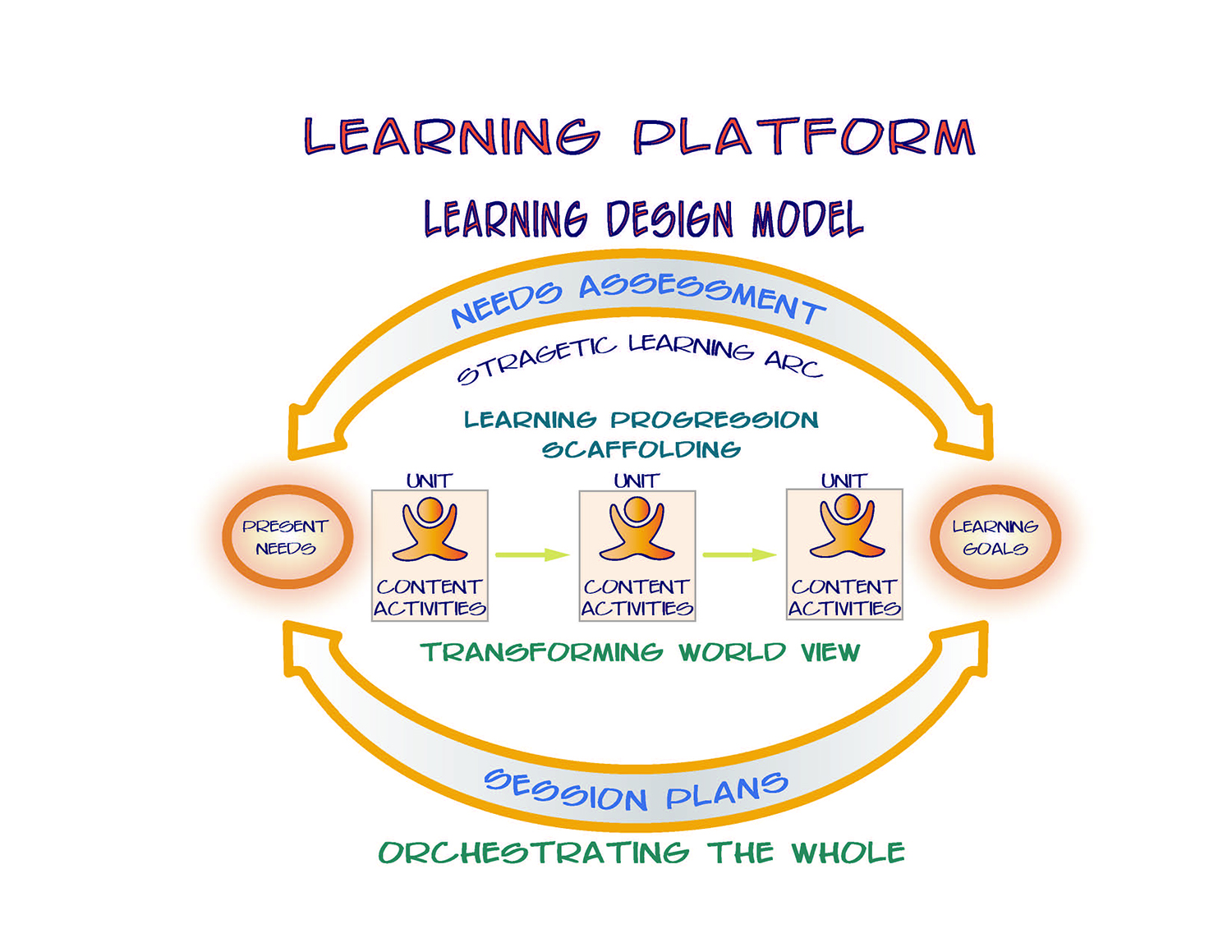
Once the needs are clear, we establish precise Learning Goals. These are not vague intentions—they are actionable statements about what participants will be able to do by the end of the training that they couldn’t do before.
Clear goals become the compass for every decision in the course design. They help prioritize what matters most, ensure alignment across sessions, and allow both trainers and participants to measure meaningful progress.
The Present Needs statement outlines the current capabilities of participants—what they can do now, where they’re struggling, and what’s going on in the environment around them.
It includes insight into morale, motivation, training history, years in the profession, learning preferences, and job performance. This personal and professional profile shapes how we design content, structure sessions, and engage the learner. After all, training is only effective if it starts from where the learner truly is.
Every course we design includes a Strategic Learning Arc, with one powerful, central learning at its core—something that has the potential to create a ripple effect far beyond the classroom.
This key learning is explored more deeply than others and often includes an extensive activity or project. It ensures the course has meaning, cohesion, and long-term value. When participants walk away remembering one thing—it’s this.
No two learning environments are the same. That’s why we select a Learning Strategy that matches the goals, context, and audience.
Whether it’s a customizeed, on-site course for a specialized team, a large-scale rollout, a cascade training model, a virtual seminar series, or a self-directed learning kit—we choose a format that aligns with the organization’s needs and culture. This decision shapes everything from the tone to the tools we use.
A great course doesn’t throw information at learners—it guides them step by step. Our Learning Progression is a carefully sequenced structure that bridges the gap between where learners are now and where they need to be.
Unlike a typical course outline—which often just lists topics—a learning progression plans the flow. It ensures continuity between concepts, creates logical transitions, and prevents gaps.
Think of it as a journey: learners always know where they are, where they’ve been, and what’s coming next. And while the journey is structured, there’s plenty of room for creativity—so long as it serves the goal.
Each course is made up of four to eight Instructional Units—complete modules that each focus on a specific learning outcome.
Like chapters in a book, instructional units include a title, goals, content (skills, concepts, processes), tools, and learning activities. Each is timed and structured to create a logical step in the learning journey. When woven together, these units form a cohesive experience that builds depth and retention.
A well-designed course isn’t enough—it must also be delivered with consistency and clarity. That’s where the Session Plan comes in.
Each session plan acts as a blueprint for the trainer. It details what to cover, how long to spend on each activity, what participants will be doing, and what materials are needed.
A strong session plan includes elements like transitions, reviews, warm-ups, overviews, topic coverage, hands-on applications, summaries, and feedback. This structure ensures that every session is purposeful, engaging, and aligned with the course’s learning goals.
Finally, Evaluation helps us understand whether the training worked. Did it meet its goals? Was the learning strategy effective? What changes occurred within the participants or the organization as a result?
Evaluation isn’t an afterthought—it’s built into the process. It offers feedback for improvement, insight into participant outcomes, and data to determine what to keep, adjust, or scale.
Whether we’re refining the next round of training or reporting on ROI, evaluation ensures that the learning has meaning—and measurable results.
ParCenTra’s Learning Design Model ensures that every training experience is intentional, participant-centered, and aligned with the realities of today’s workplace. We don’t just teach—we design transformation.
ParCenTra specializes in creating dynamic learning models that meet people where they are and move them to where they need to be. Here are some of the unique strategies we use to make that happen:
A foundational course is created around a focused, actionable goal and designed for broad relevance across roles and experience levels. A detailed leader’s guide makes it simple to replicate—even for new facilitators. The first cohort of trainers is trained in delivery, who then train others, multiplying impact as each new group leads the next. This ripple effect ensures learning reaches the full organization quickly and consistently.
Self-contained, flexible, and ready to go. A full training package—including video instruction—is shipped directly to an on-site leader, regardless of their formal teaching background. With minimal prep, they guide small teams through structured learning experiences. It’s fast, effective, and scalable.
Blending autonomy with community, teams engage with web-based lessons or videos at their own pace, supported by self-guided materials. Regular virtual check-ins or in-person gatherings every few months strengthen the learning and deepen the connection. It’s peer-powered growth supported by consistent touchpoints.
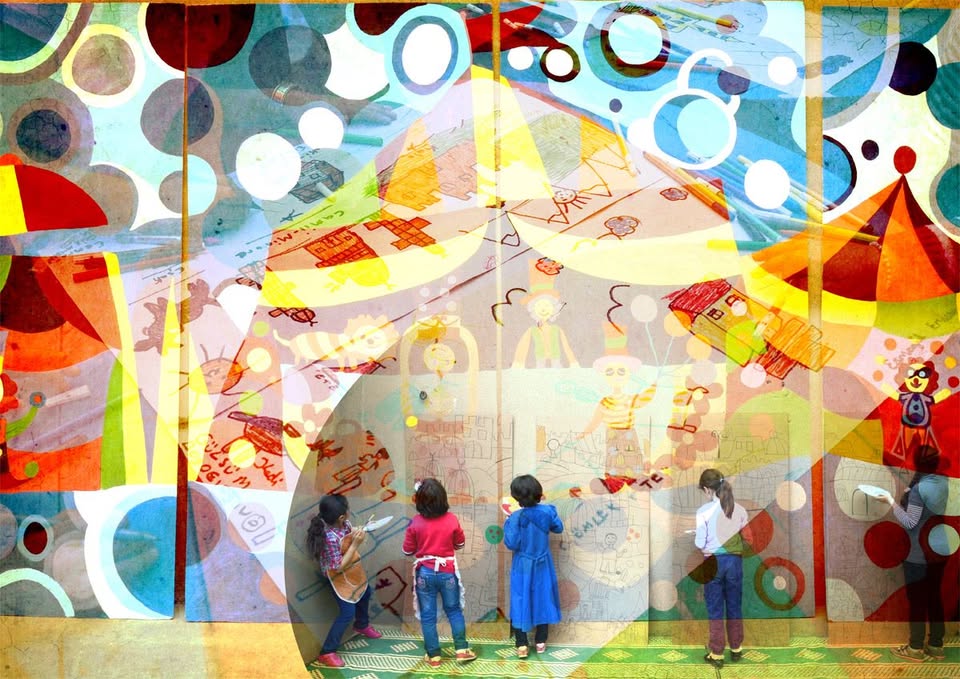
This holistic approach recognizes that learners don’t check their personal lives or learning preferences at the door. Sessions may include music, visuals, movement, or storytelling—creating a multi-sensory, deeply personal experience. It’s learning that feels alive and transforms not just skills but perspectives.
Built on neuroscience, this model ensures learners are in the optimal mental state to absorb, retain, and apply new ideas. It focuses on pacing, emotional readiness, and presentation style to boost engagement and long-term retention.
Participants guide their own journey. Using tools like response boards or scenario-based options, learners choose what’s next—customizing pace, content, and order. Future models may allow participants to experiment with different real-world outcomes. It’s training with the agency.
ParCenTra creates science-based, joyful learning experiences that build skills, ignite leaders, and transform how people grow.
Copyright © 2025 Barbara Pennington. All Rights Reserved.
